

Sustainable innovation in vulnerable areas
When a hurricane strikes a coastal region in a low-income country, many traditional buildings collapse like houses of cards. Faced with this reality, a group of engineers from the University of Alabama at Birmingham (UAB) is working on the development of an innovative, affordable, and resilient construction material capable of withstanding extreme events such as hurricanes or tsunamis.
The project is based on a combination of jute fiber—a plant widely grown in Bangladesh—and recycled plastic, creating a lightweight, ultra-resistant, and accessible material. One of its most promising features is its ability to float, allowing structures to detach from their foundations during flooding instead of collapsing.
Technology with purpose
Led by Professor Nasim Uddin, the research is part of a collaboration with BRAC University in Bangladesh, a country particularly exposed to severe weather events. The team is exploring how these new natural-fiber composites can be applied in the construction of resilient, sustainable, and affordable housing.
Before focusing on plant-based materials, Uddin’s group had already developed so-called Structural Insulated Panels (SIPs), polymer-based composites used in industries such as aerospace due to their high strength. The current challenge is to replicate those properties using ecological materials like jute.
A real alternative for thousands of people
Beyond strength, this new material also addresses a crucial need: affordability. Homes built with jute fiber could offer a viable and eco-friendly solution for vulnerable communities in hurricane-prone regions such as Bangladesh, as well as coastal areas of the United States, including Alabama, Florida, and New Orleans.
In addition, BRAC University has signed an agreement with a leading international NGO to implement this technology on the ground, developing the necessary infrastructure for its real-world application in affected communities.
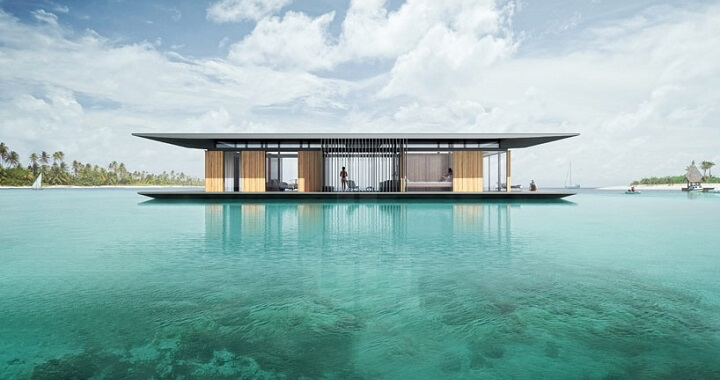
A floating house
The vision of Uddin and his team goes beyond disaster resistance: they aim to transform the way homes are built in high-risk areas. They envision structures capable of floating when water levels rise, thereby reducing casualties and material damage with each storm.
This research represents a powerful convergence of technological innovation, environmental sustainability, and social justice. And it all starts with a natural plant that has been growing for centuries in the soil of Bangladesh: jute.


Comments (0)
There are no comments for this article. Be the first one to leave a message!